Residential solar installation
Explore the residential solar installation service in plain language, including how planning, quoting, and next steps usually work.
Open this page
We help homeowners, businesses, farms, and multi-site operators plan solar projects that fit the property instead of forcing the property to fit a preset package.
That means the work starts with site conditions, electrical realities, energy goals, and whether the project needs to stay simple, battery-ready, or resilient during outages.
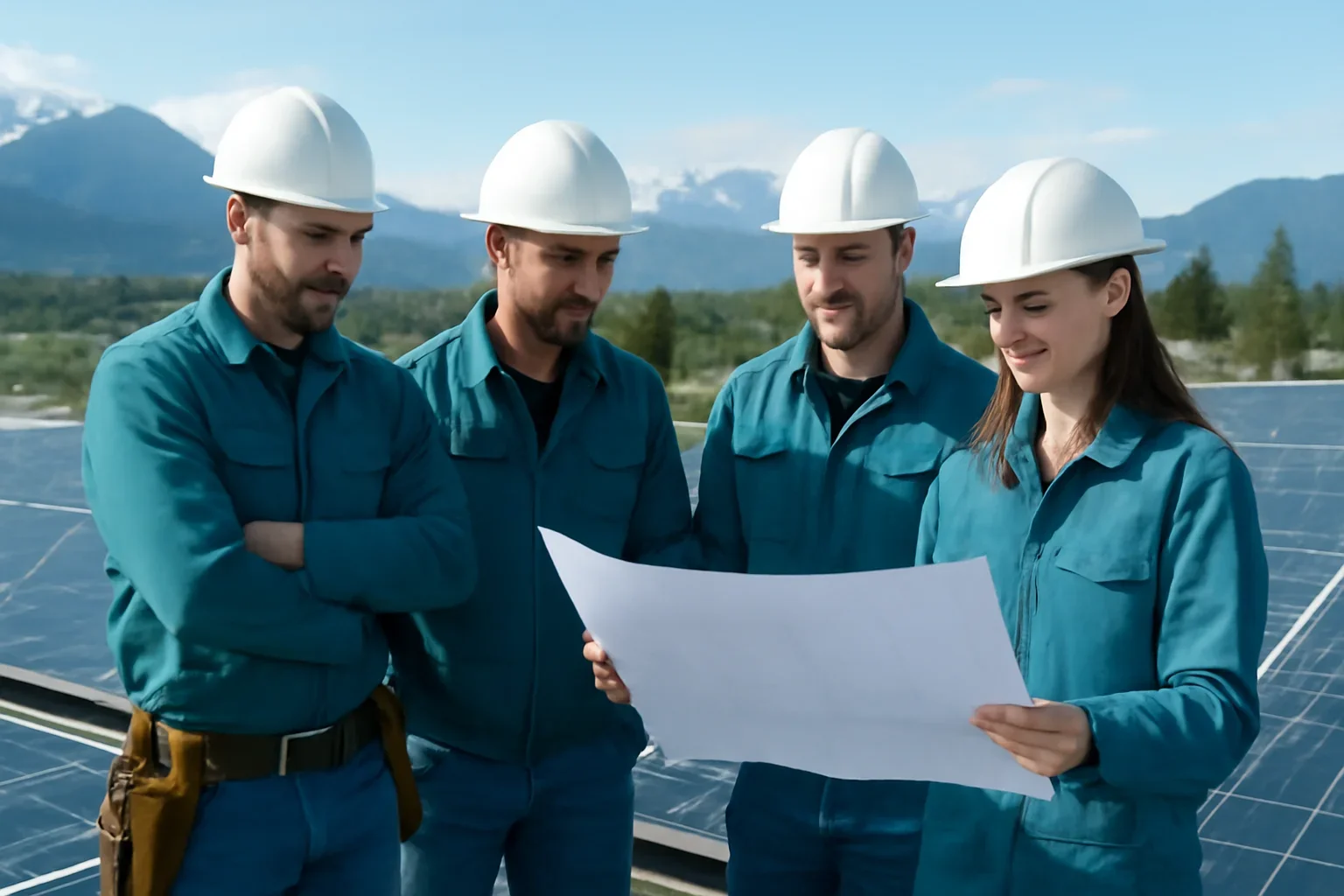
Explore the residential solar installation service in plain language, including how planning, quoting, and next steps usually work.
Open this pageOpen the commercial solar installation page for a clearer look at project fit, quoting factors, and rollout expectations.
See the detailsFind a more detailed explanation of this topic on the linked page.
Open this page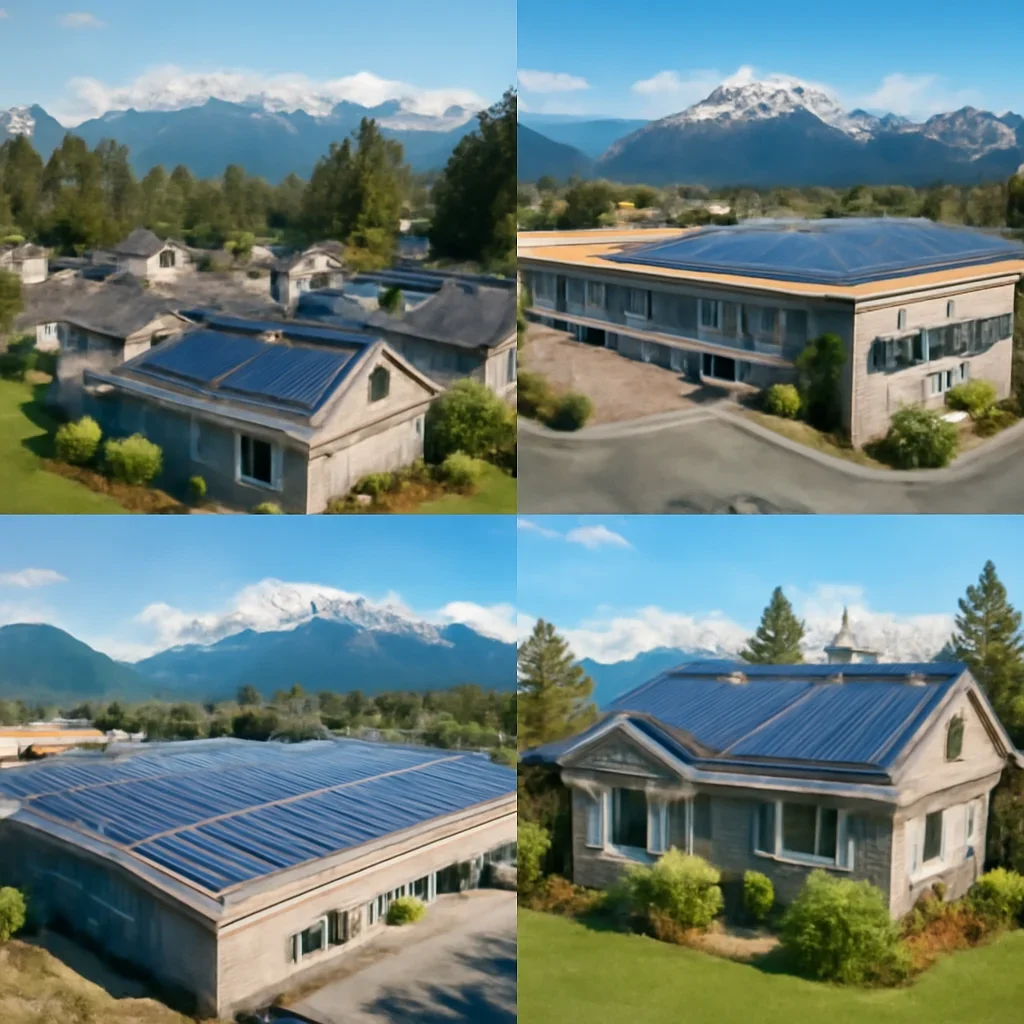
A townhome roof in Metro Vancouver, a warehouse in the Interior, and a coastal home on Vancouver Island can all call for different mounting choices, electrical planning, and installation timing.
Because of that, our process stays practical. We review roof space, shade, service equipment, access, and future goals such as backup power before pushing the conversation toward final equipment decisions.
That makes the quote clearer and helps avoid surprises later in design, permitting, or installation scheduling.
Most first conversations focus on system fit, pricing factors, timeline, and whether the property is a strong candidate for solar.
The first step is sharing the property address or service area, project type, and any details you already know about the roof, electrical service, or outage concerns.
Next comes a closer look at layout possibilities, service-panel considerations, battery readiness, and the practical items that affect price and scheduling.
Once the scope is clearer, the discussion shifts to quoting, approvals, utility paperwork, installation timing, and what handover should look like.

We do not rely on made-up savings claims or invented numbers. A stronger starting point is a clear explanation of what has already been reviewed, what still needs confirmation, and how the next step will work.
That kind of transparency matters whether the project is a straightforward roof-mounted array or a more complex site that also needs batteries, phased work, or backup planning.
A recent electricity bill, a rough idea of roof age, and notes about the building use can all make the early discussion more useful.
Open that cost guide for a straightforward look at the variables that usually affect solar panel pricing across BC.
Open this pageRead more about net metering feature and export-credit value for grid-connected BC solar and the next steps involved.
See the detailsFind location-specific guidance on layouts, site review, and next steps for Solar Panels in BC.
Open this pageYes. Output changes throughout the year, but a properly planned system is still designed around real site conditions, roof orientation, and expected usage patterns instead of perfect-sky assumptions.
No. A first conversation is usually about the property, your goals, and the likely fit. System size is the result of that review, not the starting requirement.
Absolutely. Many enquiries begin with grid-tied solar and then add a conversation about backup power, critical loads, or future storage readiness.
Share the address or service area, whether the project is residential or commercial, and anything you already know about the roof or electrical setup.
From there, the next step can be outlined clearly, without pressure and without turning the first reply into a sales script.
