BC weather article
A wider look at the same topic shows how changing local weather patterns affect solar over the year.
Read the BC weather article
Solar panels perform best in strong sunlight, but they do not need perfect direct sun every minute of the day to be useful.
Daylight, cloud cover, and shade affect performance in ways that make the question far less all-or-nothing.
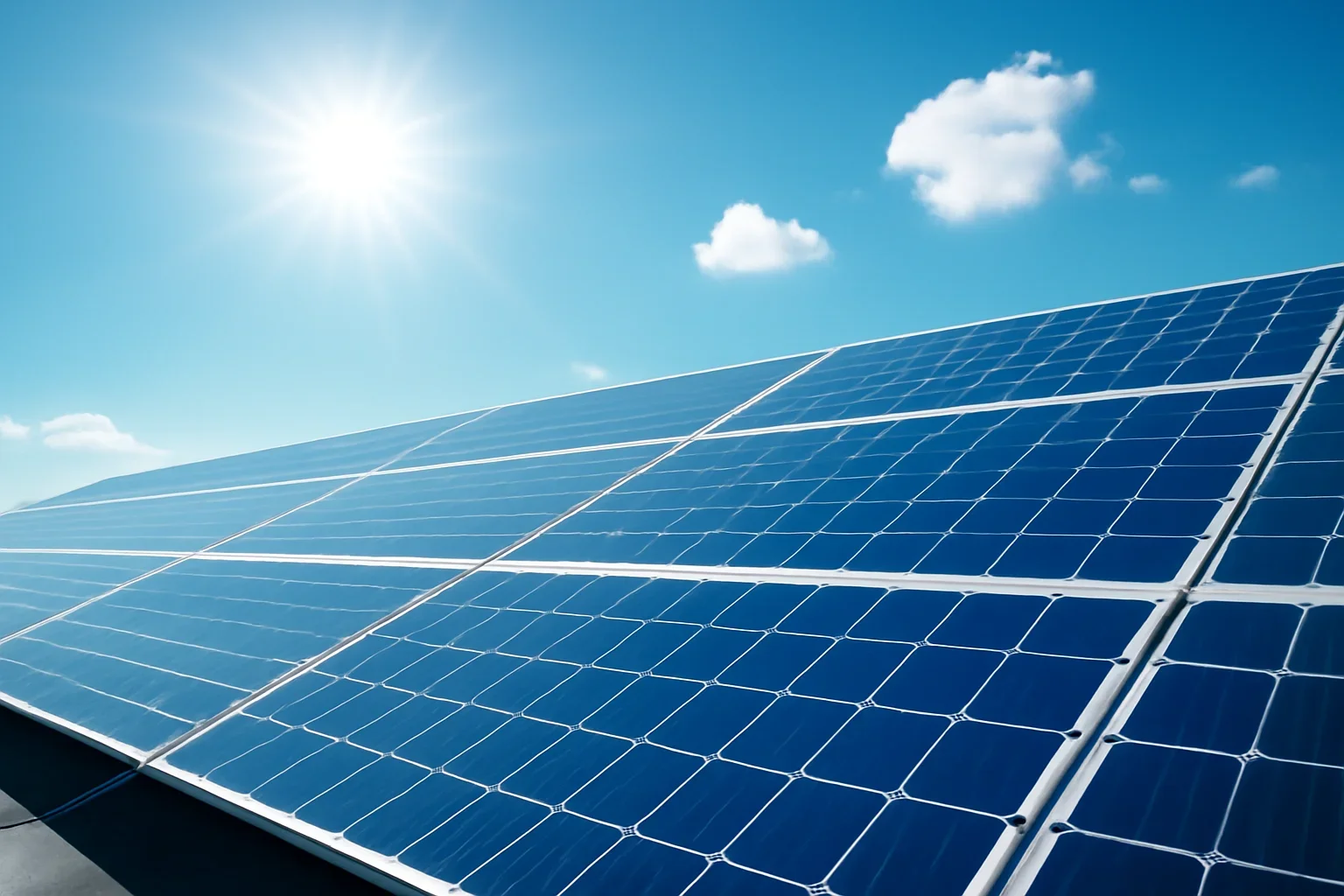

Direct sun generally supports stronger output, while clouds, indirect light, and shade reduce production to varying degrees. The key is that reduced output is not the same as zero output.
That distinction matters in BC, where weather can change quickly and many properties still make sense for solar when the design is based on real conditions rather than a perfect-sky fantasy.
The goal with cloud cover, shade, and indirect light explained for bc buyers is not abstract advice; it is a practical answer that still makes sense when a real property is involved.
A wider look at the same topic shows how changing local weather patterns affect solar over the year.
Read the BC weather articleThe support guide helps connect daylight conditions to the wider question of production.
Read the output guideShade and roof position both shape the answer, which is why roof-fit guidance belongs nearby.
Review roof compatibilityNo. Production drops, but systems can still generate electricity under less-than-perfect conditions.
Not really. Localized shade from trees or neighbouring structures can affect a roof differently from temporary cloud cover across the whole sky.
Because many buyers imagine solar as something that only works in hot, bright climates. Real-world performance is more nuanced than that.
A practical enquiry about cloud cover, shade, and indirect light explained for bc buyers should include the property details so the response can move beyond general guidance.