Environmental benefits article
This companion article looks at the environmental case for solar more broadly, beyond end-of-life questions alone.
Read the environmental article
Recycling is one of the questions that often comes up when buyers start thinking beyond installation and ask what happens decades later.
A straightforward look at the recycling question also shows why end-of-life planning matters.
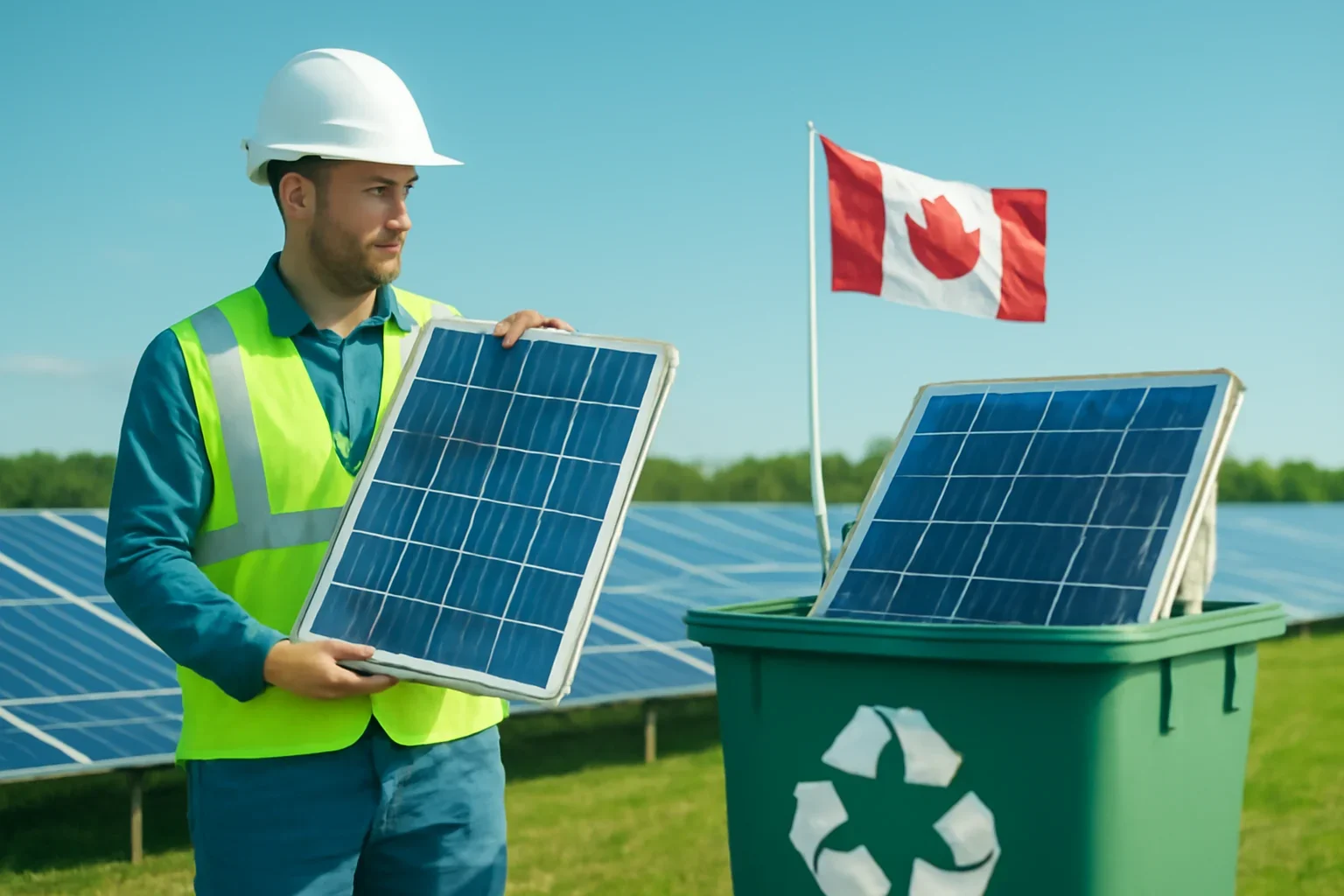

For many people, a solar purchase is partly an environmental decision, so it makes sense to ask what happens when the equipment eventually reaches the end of its useful life.
The answer is that recycling is part of the conversation, but it should be discussed with the same realism used for manufacturing, durability, and long-term ownership rather than as a marketing shortcut.
The goal with how solar panel recycling works and what happens at end of life is not abstract advice; it is a practical answer that still makes sense when a real property is involved.
This companion article looks at the environmental case for solar more broadly, beyond end-of-life questions alone.
Read the environmental articleRecycling questions often follow naturally after people ask how long the equipment is expected to last.
Read the lifespan guideIf you are evaluating the topic in the context of a real project, the residential service page is a practical next step.
See residential solarIt helps, but it is only one part of the full environmental picture.
Because many buyers want a realistic sense of the full ownership cycle, not only the first few years.
It is partly technical, but for many people it is also about trust and understanding the long-term impact of the purchase.
When how solar panel recycling works and what happens at end of life turns into a real project question, the best next step is to send the property details so the advice stays grounded.